
Specialty Service — Buckhead, Atlanta
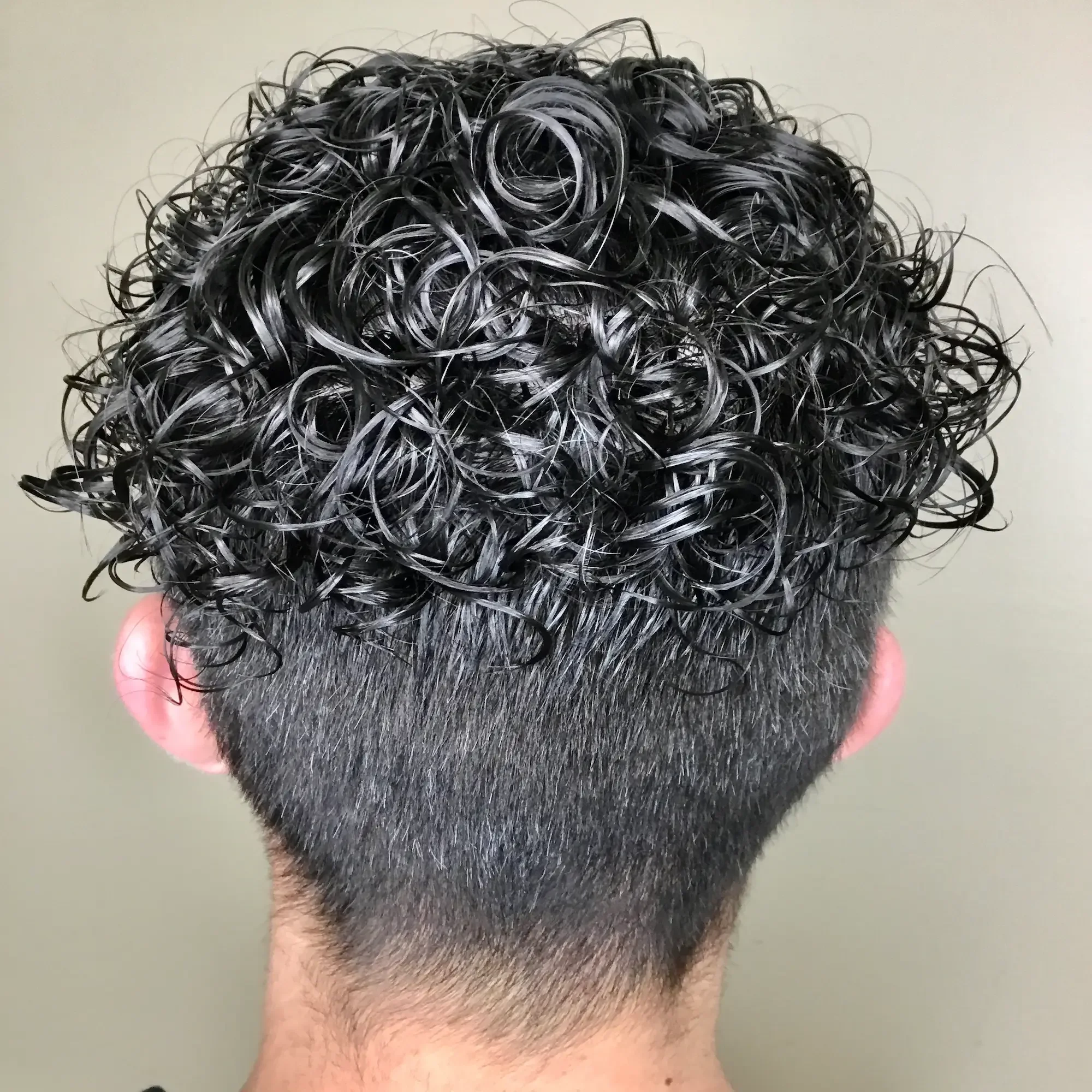
Defined curls with a traditional perm
A traditional perm uses a time-tested chemical process to create lasting curls and waves tailored to your hair type and desired style, from tight ringlets to soft body waves.
Traditional Perms — Common Questions
What to know before you book
A traditional perm is one of the most requested chemical services at Junko Hair Studio. Whether you want defined ringlets, soft body waves, or something in between, the process starts with understanding your hair. These are the questions clients ask most often before booking.
What is a traditional perm and how does it work?
A traditional perm is a chemical service that permanently restructures the hair's natural shape to create curls or waves. The process works by targeting the disulfide bonds inside the hair, which are the strong chemical bonds that determine whether your hair is straight or curly. A waving solution breaks those bonds, allowing the hair to be reshaped around perm rods. Once the desired curl pattern forms, a neutralizer is applied to rebuild the bonds in their new position, locking in the shape. The rod size your stylist selects controls the tightness of the result. Smaller rods produce tighter, more defined curls, while larger rods create looser waves and added body. The full process takes place at room temperature without any external heat, which is what distinguishes a traditional cold perm from a digital perm.
How long does a traditional perm last?
A traditional perm typically lasts between three and six months, though the exact timeline varies from person to person. Hair growth rate, texture, porosity, and how well you maintain the service at home all play a role. As your hair grows, new straight roots will appear at the scalp while the permed ends remain curly. This is normal and expected. Some clients find their curls begin to loosen naturally over time, particularly if their hair is fine or if aftercare has been inconsistent. Body waves and looser styles tend to relax faster than tighter curl patterns. The most accurate timeline for your hair specifically is something your stylist can speak to after seeing your hair in person during a consultation, since there is no single answer that applies to everyone.
Who is a good candidate for a traditional perm?
The most important factor in perm candidacy is the current condition of your hair. At Junko Hair Studio, we do not perform traditional perms on hair that has been bleached within the past two years, or on hair that is overly damaged. Bleached and heavily processed hair has already had its internal structure significantly altered, and introducing perm chemistry on top of that creates a real risk of breakage. Beyond chemical history, your stylist will assess the hair's elasticity and porosity during your consultation. Hair with healthy elasticity, meaning it stretches and springs back without breaking, is the ideal canvas for a perm. If unsure, a consultation is the best way to know whether your hair is ready.
What is the difference between a traditional perm and a digital perm?
The main difference comes down to the curl result and the chemistry used. A traditional perm uses an alkaline solution applied at room temperature to create curls that are tight, bouncy, and most defined when the hair is wet. A digital perm uses a gentler acid-based solution combined with temperature-controlled heated rods to produce soft, loose waves that look most natural when the hair is dry. If you want defined, springy curls with noticeable texture, a traditional perm is likely the better fit. If you want relaxed, beachy waves that air dry into a polished style with minimal effort, a digital perm is worth considering. Neither is better than the other. It comes down to what result you are after. Your stylist can help you decide during a consultation based on your hair type and lifestyle.
How should I care for my hair after a traditional perm?
The first 48 to 72 hours after a perm are when the new curl pattern is still setting. During that window, avoid washing your hair, getting it wet, wearing hair ties or clips, and anything that puts physical pressure on the hair. After that initial period, switch to a sulfate-free shampoo and a moisture-rich conditioner. Sulfates strip the hair of the moisture permed hair needs and can cause curls to loosen prematurely. Air drying is the best option for maintaining curl definition. If you use a blow dryer, always use a diffuser on a low heat setting. Deep conditioning once a week helps keep the hair strong and the curl pattern intact. Sleeping on a silk or satin pillowcase reduces overnight friction and helps preserve the curl shape between washes.
Meet the team
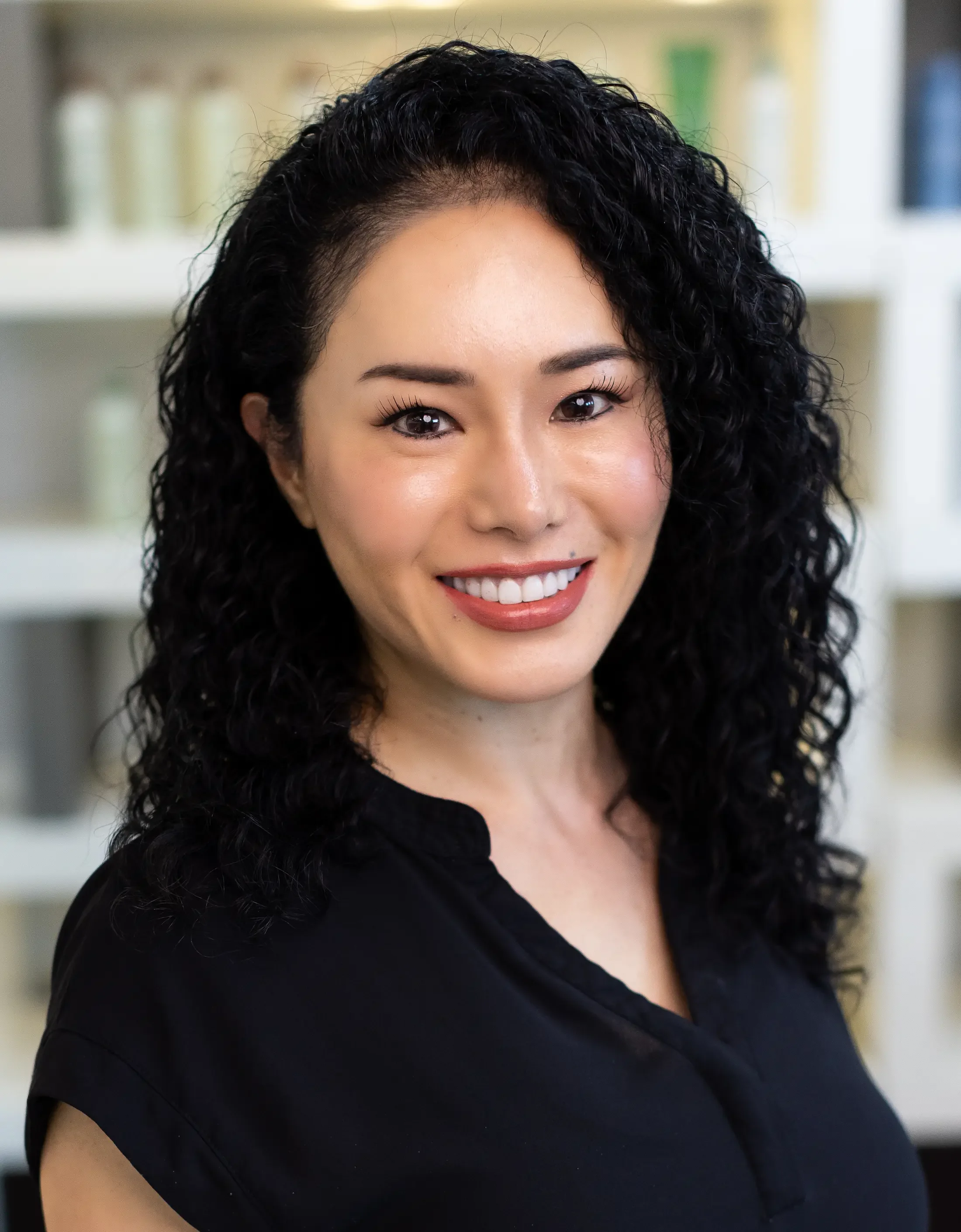
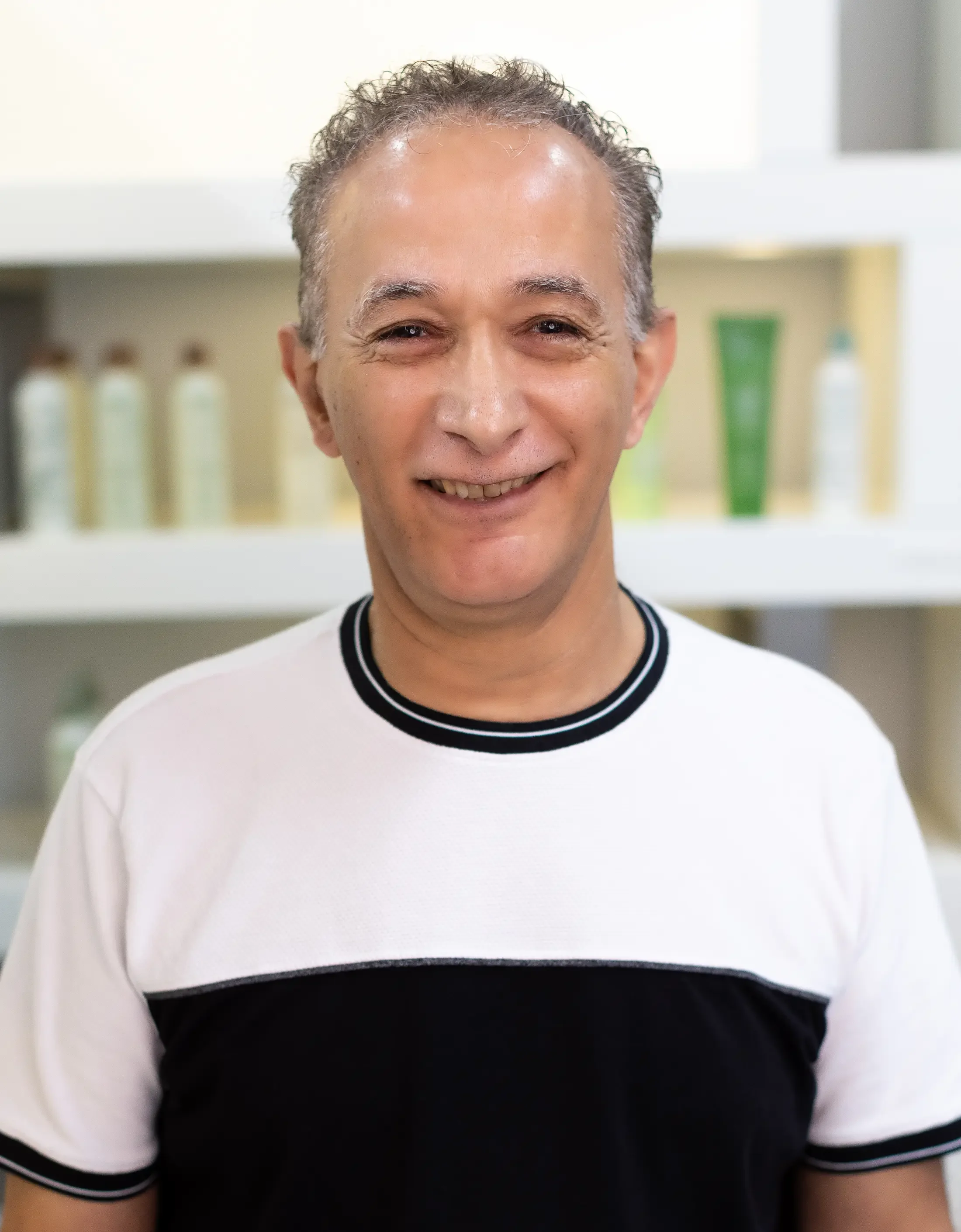
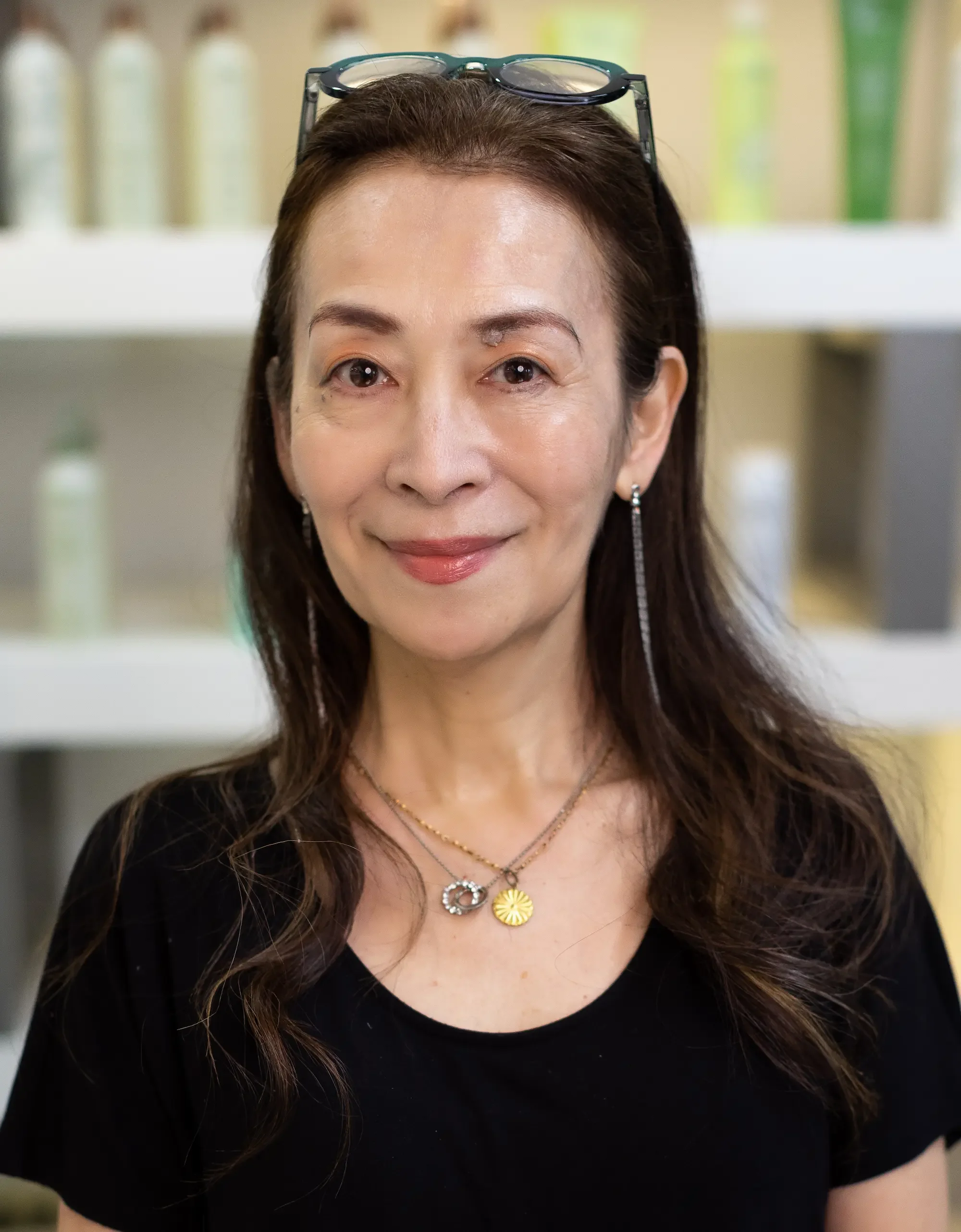
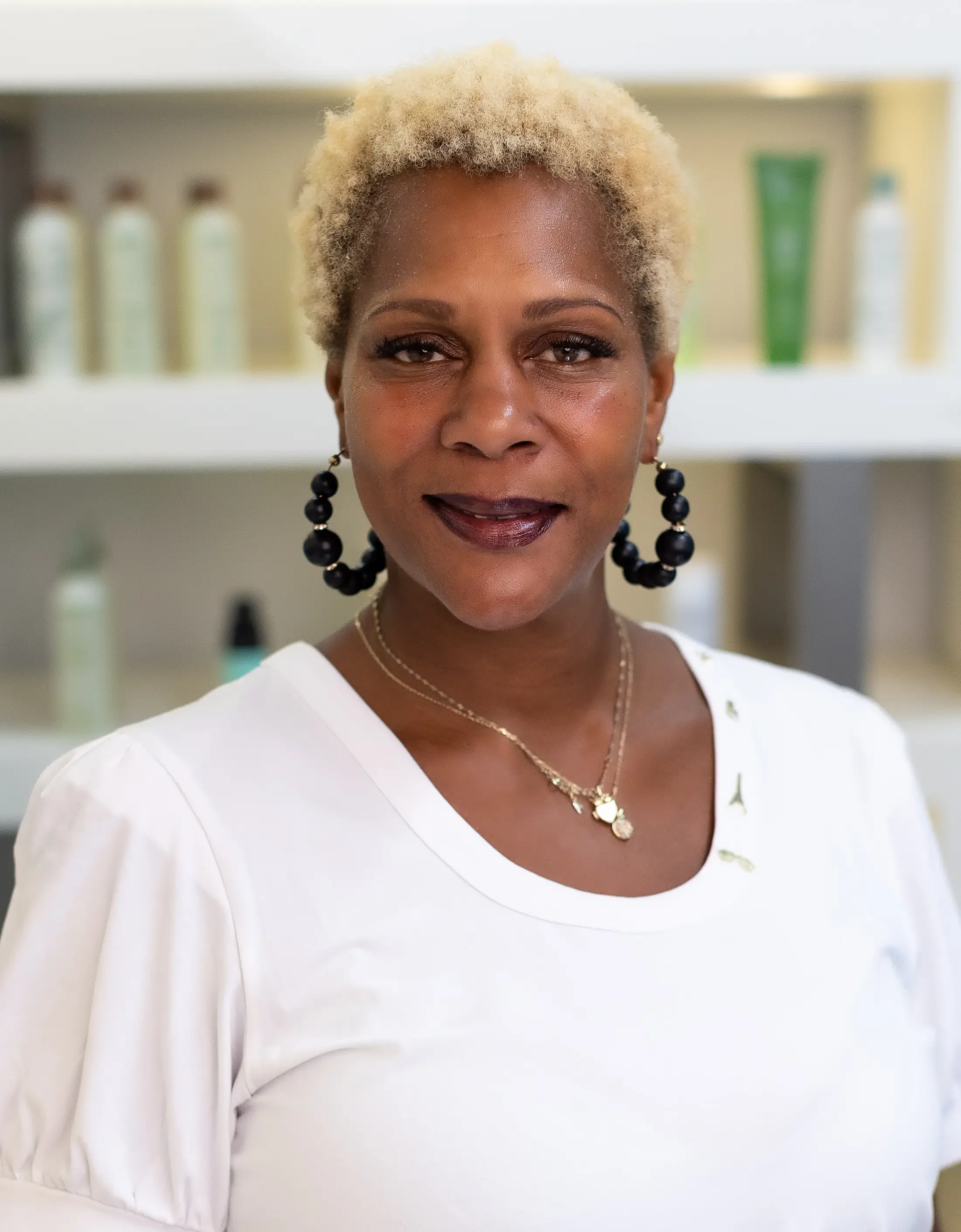
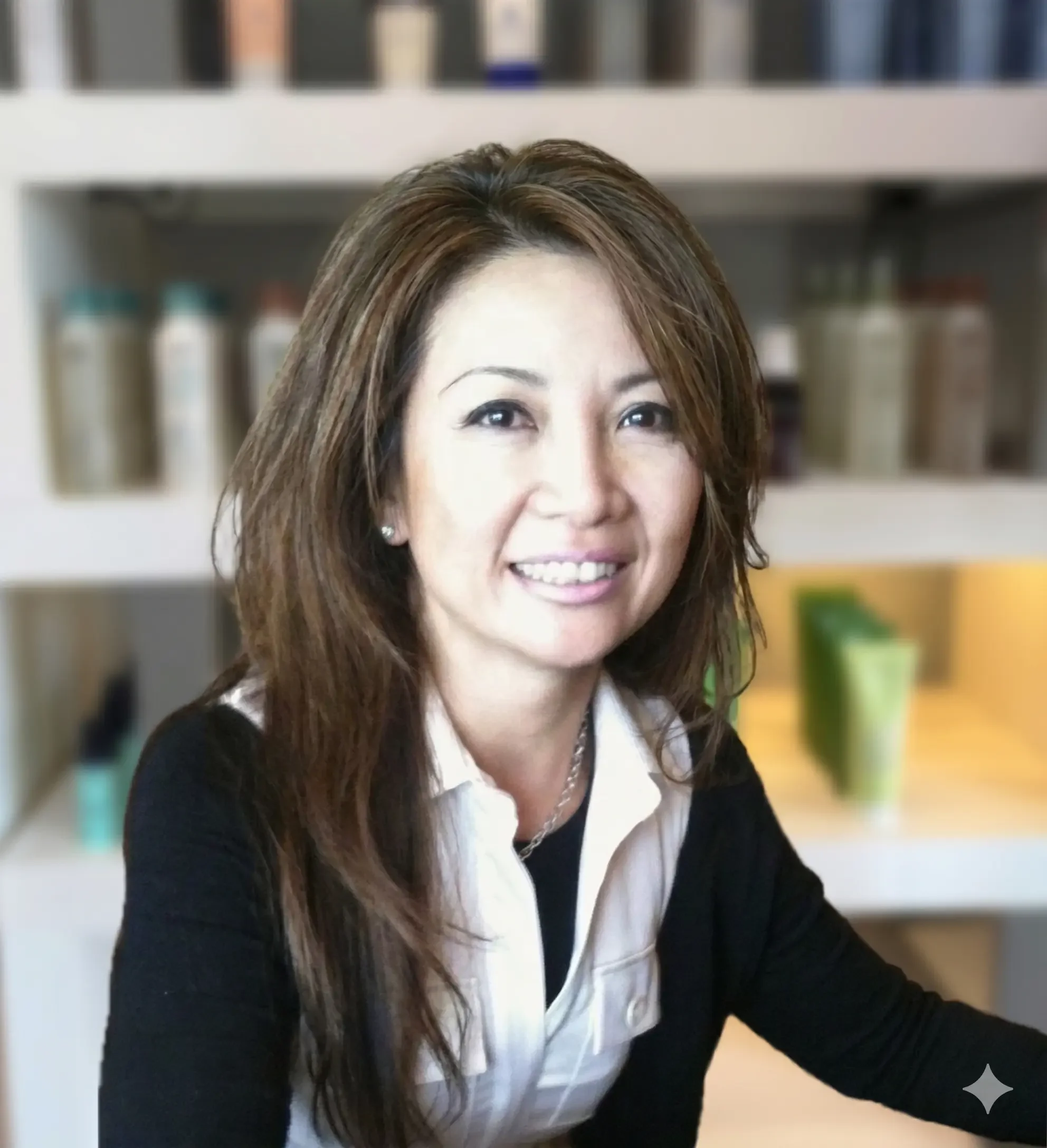
Our traditional perm specialists
Further Reading
Guides to help you prepare
01
How long does a traditional perm last?
What to expect from your results over time, and the factors that determine how long your curl pattern holds.
02
Traditional perm vs. digital perm — what is the difference?
A clear breakdown of how the two services differ in chemistry, result, and which one suits your hair best.
03
Who is a good candidate for a traditional perm?
How stylists assess hair health, chemical history, and elasticity before recommending a perm service.
04
How to care for your hair after a traditional perm
The aftercare steps that protect your results, from the first 72 hours through your long-term product routine.